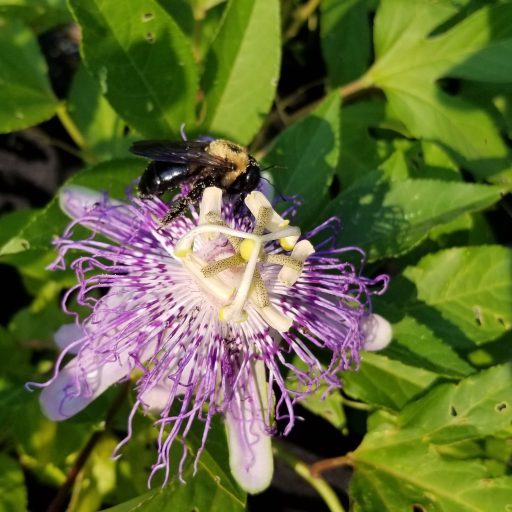
Into a large vitamix blender I added: – a whole lot of fresh garden cilantro with juicy stalks – about 5 or 6 whole chard leaves fresh the garden, green, ruby, and yellow – about 5 or so dark green dino kale leaves – a whole head of an heirloom lettuce from the garden – [...]
Share on Facebook
Read Full Post »
If I had to name this recipe it would be “spring cilantro mango”. Or what about “cilantro mango tango”? In a large vitamix blender I put: – Fresh picked cilantro — leaves, stalks and several fresh “tips”, where it’s light green and juicy (where the plant is starting to send up its flowering stalk). [...]
Share on Facebook
Read Full Post »
Perused one of my local wild spots yesterday, with an eye out for the surplus. I’m looking for things whose cup overfloweth, if you know what I mean. So at this time, mostly overripe (we got about 1% of the harvest) wild artichokes (Cynara cardunculus) open up into these amazingly beautiful flowers. They are covered [...]
Share on Facebook
Read Full Post »
Cynara cardunculus, or artichoke thistle, is the wild version of the commerical artichoke. But get this, they taste the same, and have delicious hearts, but they are armored with thistle spikes. Considering eating a whole artichoke down the heart is a slow food and fun ordeal already in our culinary traditions, then why should adding [...]
Share on Facebook
Read Full Post »
David Wolfe has called these fruit, (not actually berries) Incan berries. So you can buy them at Whole Foods or whathaveyou, often as Incan Berries. You can even go to this site and go to products and buy them. They are also known as: poha, Cape gooseberry ground cherry golden berry (or goldenberry). These superfoods [...]
Share on Facebook
Read Full Post »
Posted in foraging, gardening, local food, Plants on Nov 27th, 2009
One of the big things I try to teach my students and coach my clients on, is the importance of choosing the right plants. Most people only know a handful of plants to start with, and have eaten about as many. So they typically want to choose plants that are 1. already overrepresented in the [...]
Share on Facebook
Read Full Post »
If all the acorns around you have got your feeling a little squirrely, here’s the short, short version of what you can do: If you have Valley Oak or similar acorns (they are cream colored “white” as opposed to yellow), crack them easily with a nutcracker or a rock against a hard surface. Grind them [...]
Share on Facebook
Read Full Post »
Posted in gardening on Jul 3rd, 2009
I’m pretty sure I know what it is, but please post what you think it is in the comments below. Thanks. Share on Facebook Tweet This Post
Share on Facebook
Read Full Post »
Posted in ecodreaming, gardening, Plants on Jul 1st, 2009
The soil in my garden is heavy clay. I’ve actually made clay cups from the soil. Fired them and all. And every thing I’ve ever read about beets (Beta vulgaris, the one breed for the root, — the other B. vulgaris is chard, bred for the leaves) says that they don’t like heavy clay soil. [...]
Share on Facebook
Read Full Post »
Biochar + Biology + Minerals = miraculous healing of the soil? For instance, soak Biochar in aerated (brewed) compost tea, work it into soil along with mineral clays like Azomite or Terramin. Mycorhizae as well. The combo remediates toxins, adds long lasting carbon to the soil, and replenishes its minerals. Share on Facebook Tweet This [...]
Share on Facebook
Read Full Post »